- Reflect on your relationship with mistakes
- Identify opportunities for development in your mistakes

Being aware of mistakes and taking care to avoid errors are generally good behaviours.
They help us to avoid all kinds of problems, from formatting references incorrectly in an assignment to burning our dinner.
But if we worry too much about mistakes, they cease to be helpful (Arnetz et al., 2017).
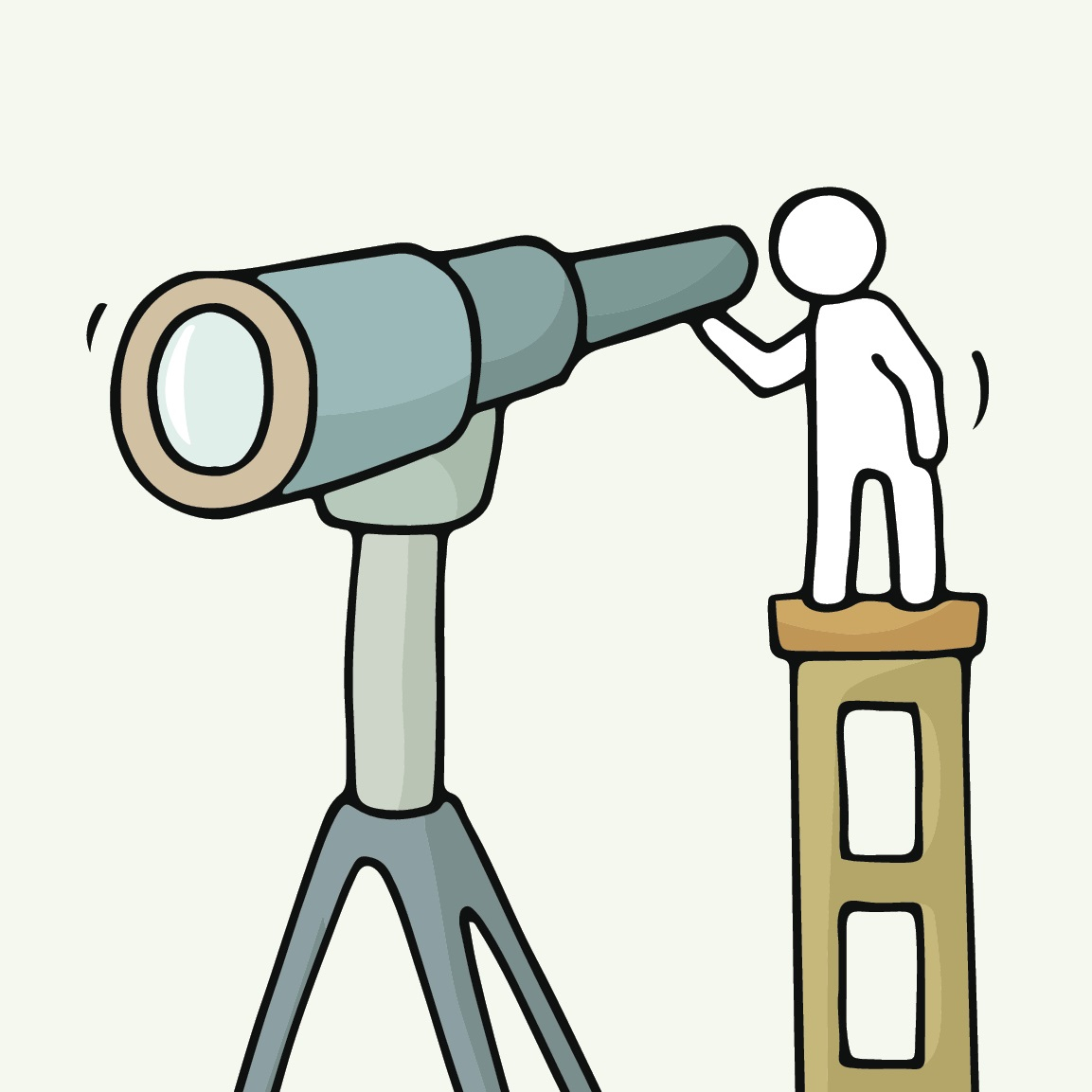
Making mistakes helps us learn, so we need to make some or we lose out. As James Joyce once said:
Mistakes are the portals of discovery.
(after Ulysses, 1922)
Some psychologists even advocate making deliberate small errors to help overcome excessive fear of mistakes (Antony & Swinson, 2009).
Reframe your relationship with mistakes
Select the headings below to view strategies for turning past mistakes into future successes.
Create an action plan
Find a recent assignment and review your lecturer’s feedback. What did you do well? What could you do differently next time? Use the box below to note down details of how to carry this out.
I drew upon a range of viewpoints from reputable sources. However, my references weren't always formatted correctly and I lost a few marks for this. I have signed up for a workshop on referencing, run by my university's academic skills team, to build my confidence and skills in this area.
More from Bloomsbury
Enjoyed this article? Find more bursts of study inspiration in 50 Ways to Manage Stress by Stella Cottrell.