Whether you think you can, or you think you can’t — you’re right. Henry Ford
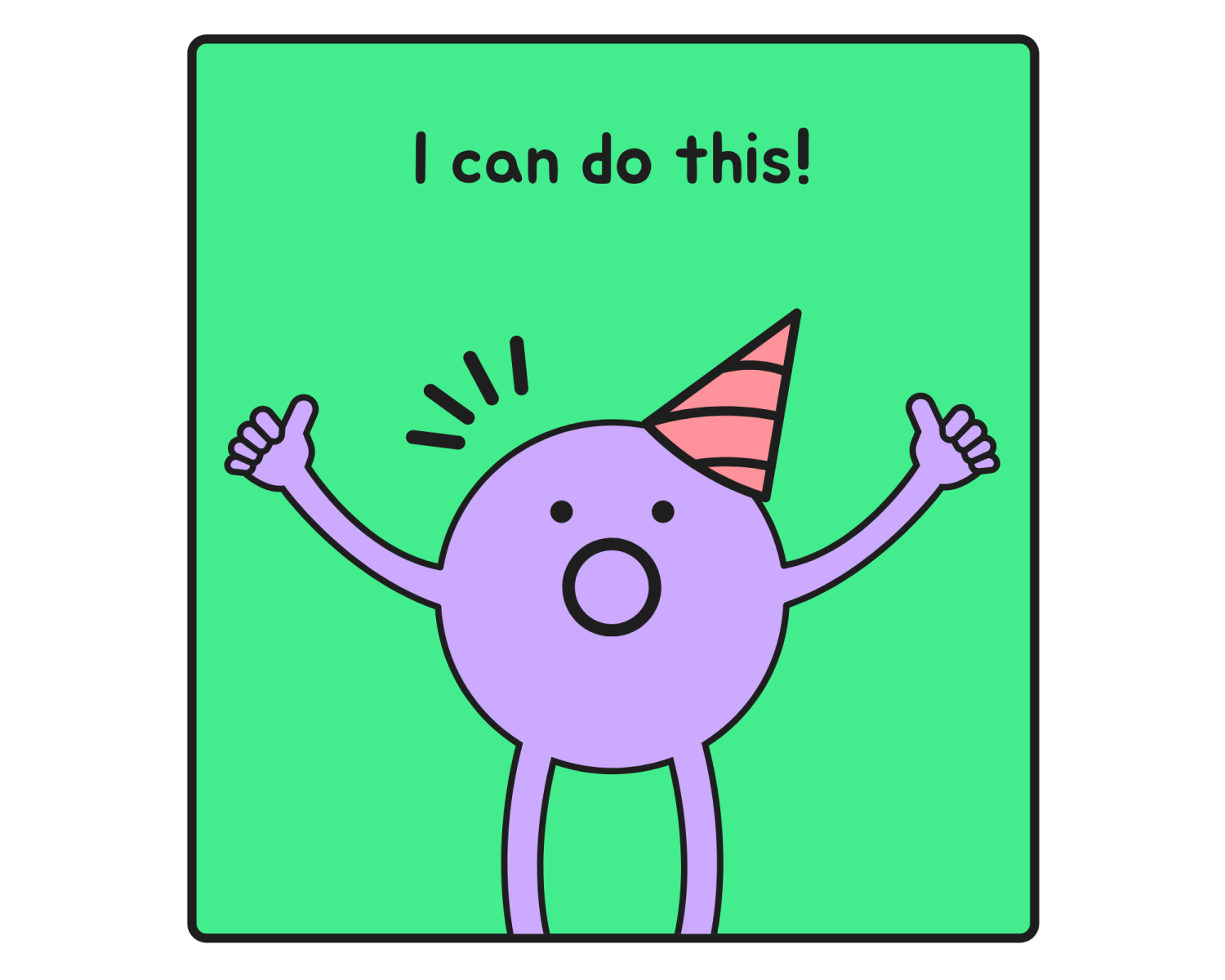
Self-belief enhances performance.
Studies have shown it contributes to positive thinking, which in turn generates ‘happy hormones’ – dopamine, for the scientists amongst you – in the body. This makes it easier to feel content, energised and motivated.
Believing in your capabilities inspires other people to believe in you, too. This can bring more interest, resources and support, increasing the likelihood of success.
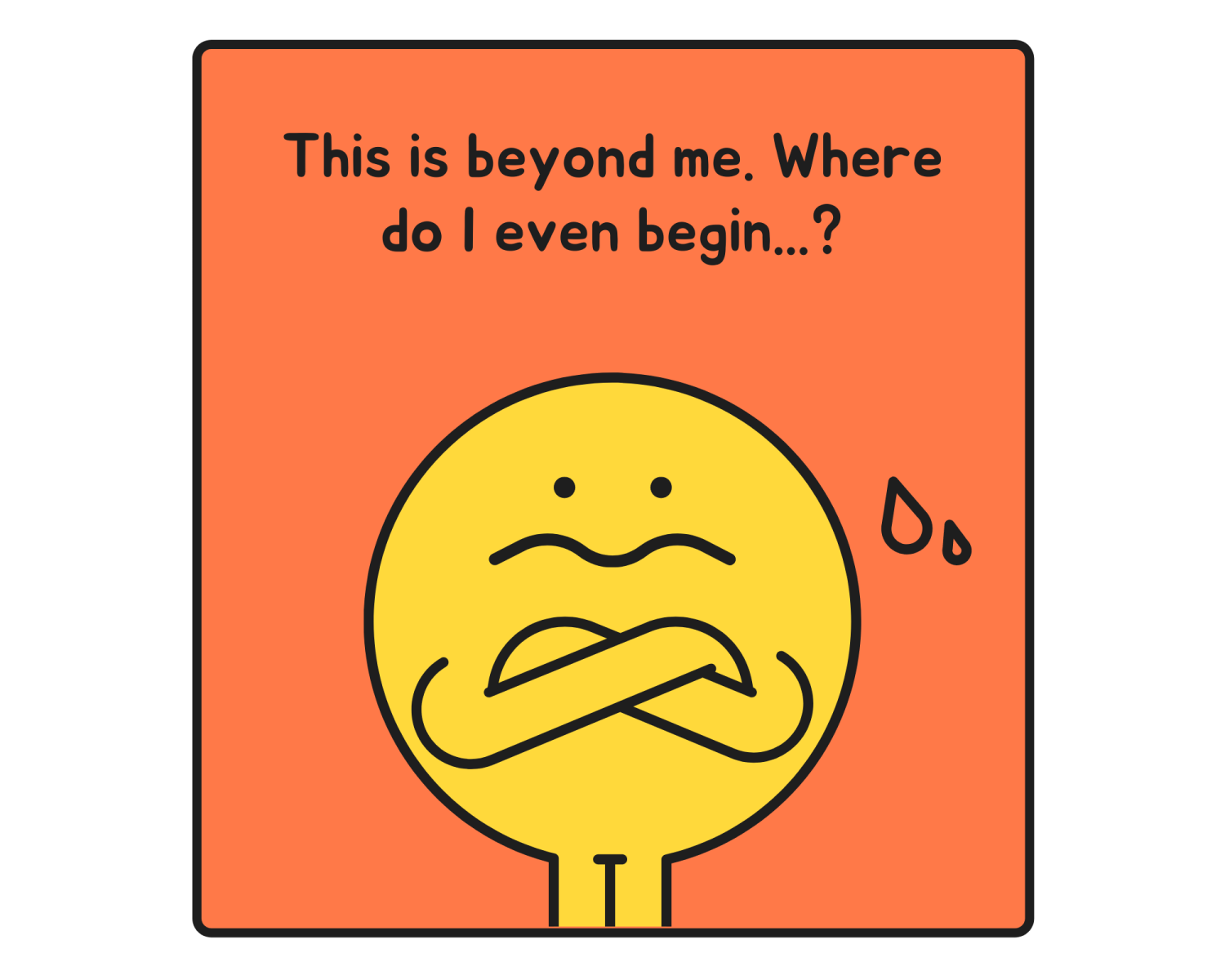
Self-doubt, by contrast, can be corrosive.
It leaves people second-guessing their decisions and abilities, distracting them from productive thinking, draining their energy and wasting time.
It contributes to stress, which makes the brain less efficient. It is also more likely to encourage a sense of defeat and a belief that there is ‘no point’.
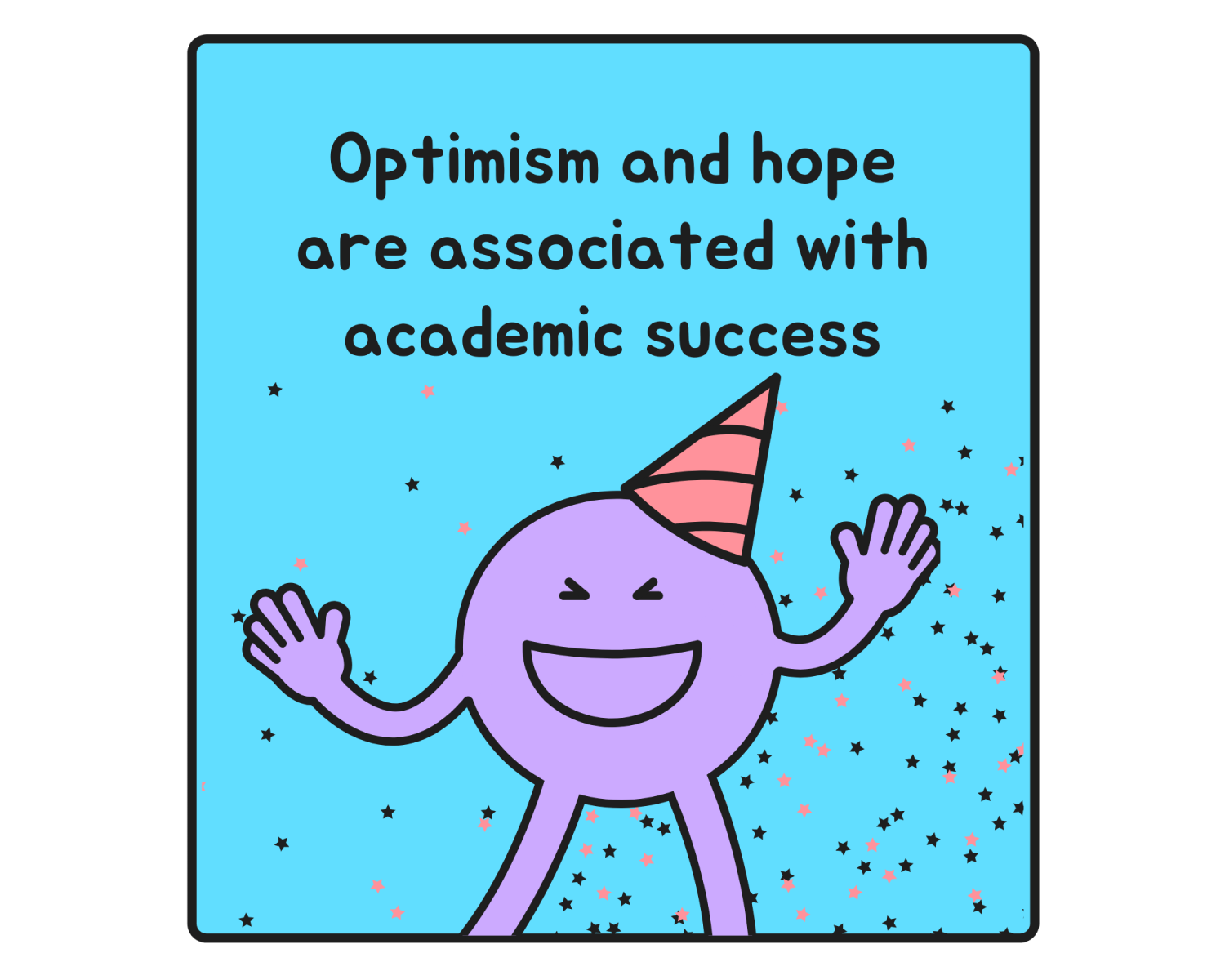
Self-belief requires an element of optimism, as we don’t know exactly how things will turn out.
Optimism and hope are associated with academic success, so it is useful if you can start out hopeful and maintain that sense of hope that you will do well.
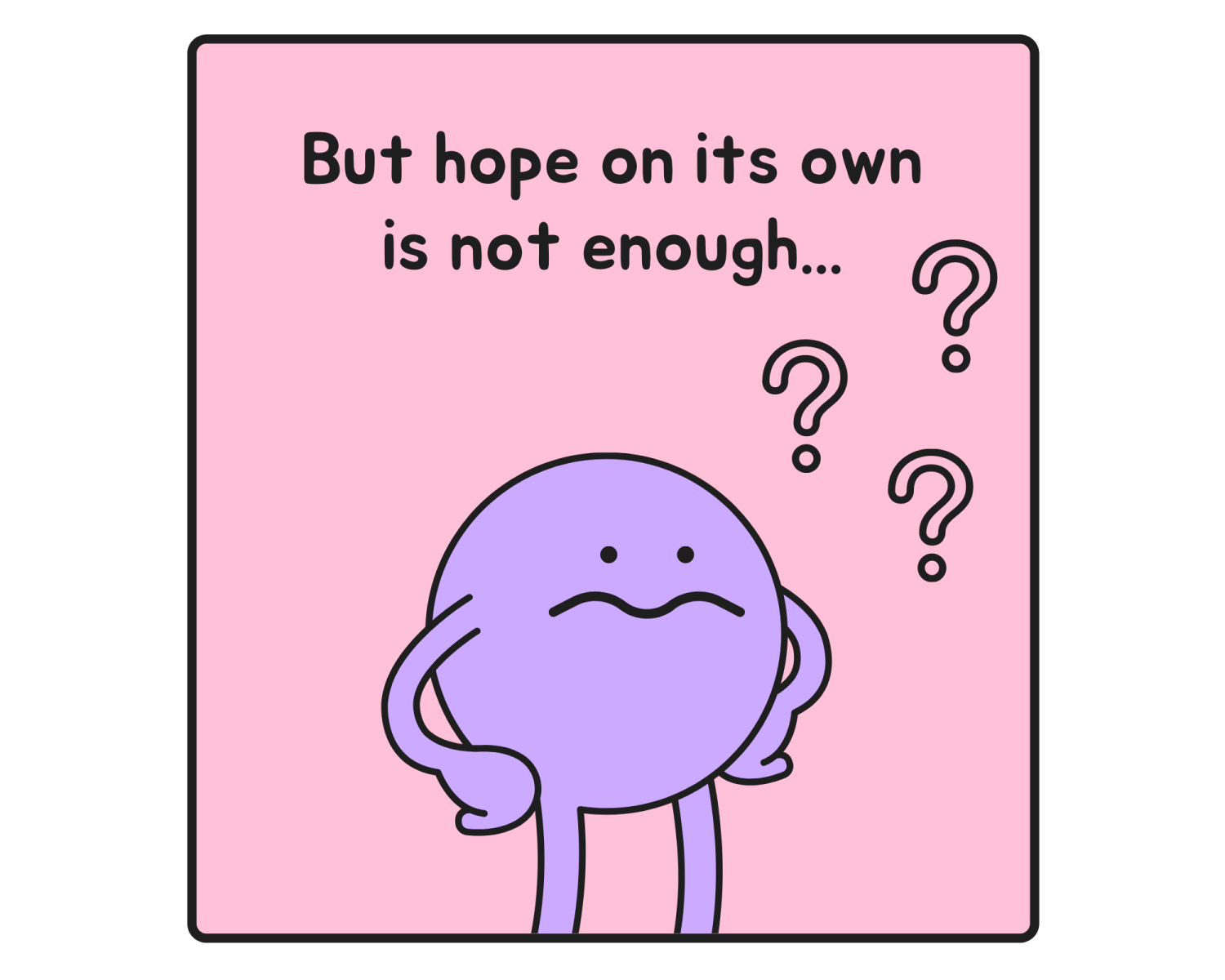
However, hope on its own is not enough. The positive effects also depend on:
- Setting realistic expectations. Your self-confidence needs to be well-grounded in what is feasible for you in the time allowed, given your experience, training, resources, commitments, efforts, etc.
- Conscientiousness and self-efficacy – that is, taking care to do what is needed in order to achieve. That can be anything from dedicating sufficient time to your studies, to developing concentration, getting enough sleep, completing tasks on time, etc.
Reflect on your achievements
Make a list of things you have undertaken and/or achieved that make you feel pleased or proud in the box below.
Then, choose one to think about in more detail. Note down:
- What happened? What did you do or say?
- What were the consequences? How did you or others benefit from this situation?
- What personal characteristics and positive qualities are demonstrated in this incident?
- What can you find in this incident that should make you feel good about yourself?
Perhaps you:
- Completed ‘Couch to 5K’?
- Organised a successful virtual event?
- Volunteered in your local community?
- Explained a difficult concept or theory to a course mate who didn’t understand it?
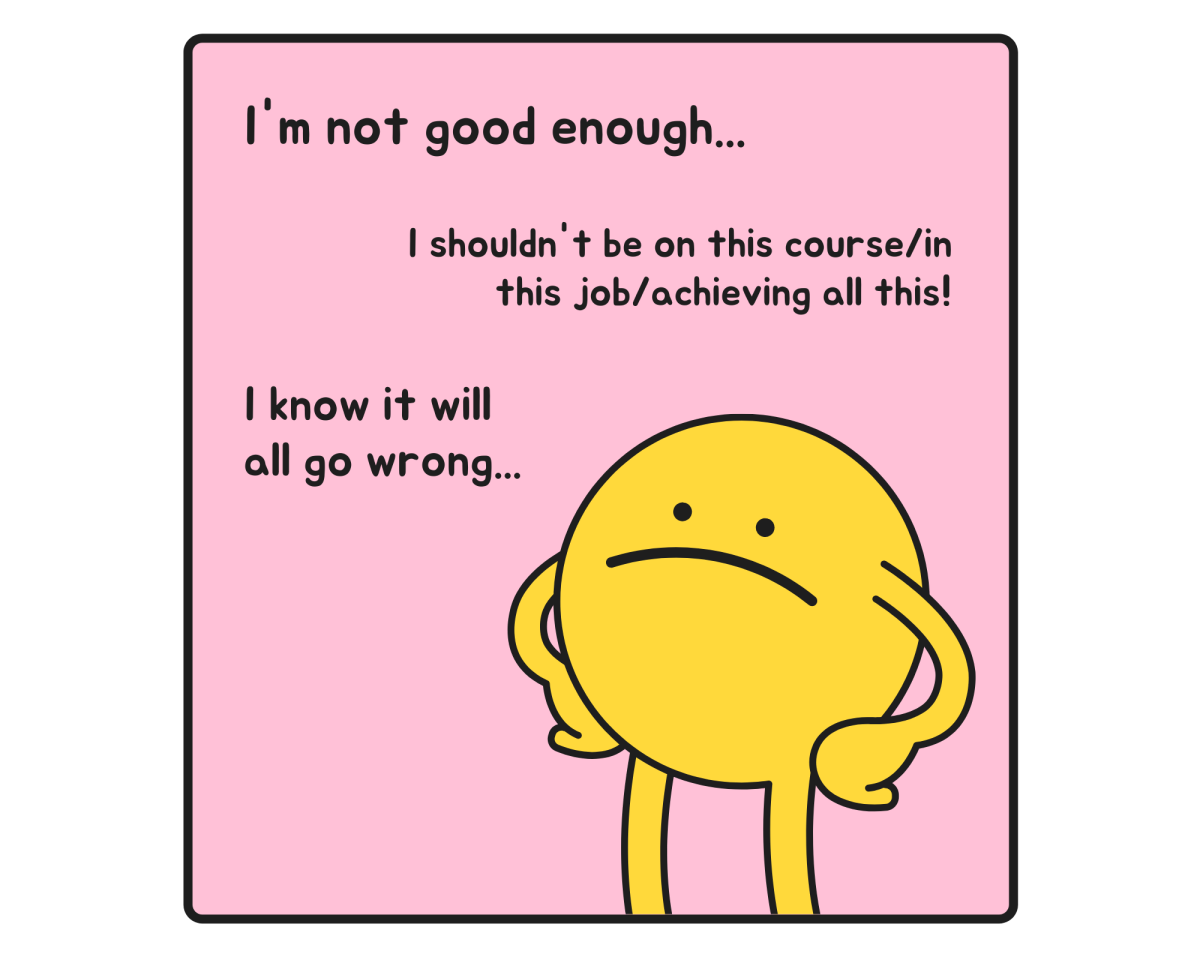
Sometimes, we are unable to move forward because we refuse to give ourselves ‘permission’ to do so. It’s as if we hear a pre-recorded message repeating in our minds such things as:
- ‘I’m not good enough’
- ‘I’m not worthy of the risk’
- ‘I don’t want the attention this will bring’
- ‘I shouldn’t believe this will work out for me – it will be worse when it all goes wrong’
- ‘I shouldn’t be on this course/ in this job/ achieving all this!’
Why do we do this?
Withholding self-permission – refusing to let ourselves enjoy success, to believe that we deserve it, or even to acknowledge that we have the potential to excel – might seem an odd thing to do.
However, ‘imposter syndrome’ and similar responses are very common, especially amongst successful people. The reasons for it can be varied:
- Strong messages at school or in the family that encouraged low expectations or low self-belief
- A bad experience of success, such as criticism, bullying, or too much attention
- Fear that doing well will lead to greater demands being made of you as a result
- Fear of ‘losing face’ – wanting to avoid others thinking you were wrong to believe you could accomplish something
- Lack of relevant role models so you can’t ‘see’ yourself succeeding at a task/role
Tackling self-doubts
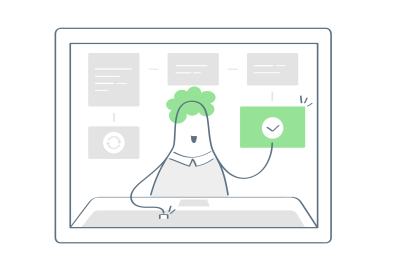
If you recognise these or similar messages in yourself, it is worth tackling your self-doubts. It is typically easier to say than do, because such doubts can be deeply ingrained, but starting now means you can reduce them for the future. Click the characters in the image to reveal some steps you can take to tackle self-doubts.
Pause for thought
- Which self-doubts (if any) do you experience?
- What underlies these?
- What kind of messages would help you to tackle such doubts and/or give you greater permission to do well?
Feeling inspired? Continue your personal development journey with Skills for Success, by Stella Cottrell.